Truck driving is one of the most in-demand and rewarding careers in Australia. Heavy vehicles are the backbone of transport as they help connecting industries and communities nationwide.
To drive a heavy vehicle legally, you need an appropriate truck licence in Australia. Depending on the type of truck or trailer you plan to operate, the licensing requirements vary.
So, which licence do you need to drive a heavy vehicle? In Australia, there are five main heavy vehicle licence classes: LR, MR, HR, HC, and MC. Each licence grants access to different types of trucks and trailers, with specific eligibility, training, and job opportunities attached to each.
This guide will help you know everything about each truck licence type, including what vehicles you can drive, the eligibility requirements, training durations, jobs, and some expert tips. We’ll also share how you can get started with truck driver training today.
So, which licence is right for you? Keep reading to find out.
5 Types of Truck Licences in Australia: What Licence Do You Need to Drive Heavy Vehicles?
There are five main types of truck licenses you can get, as we said above. You need to pick the right licence for the kinds of cars and jobs you want to do, based on your career goals. So, let’s go over each type of truck driving licence in detail, one by one.
1. LR Licence (Light Rigid Licence)
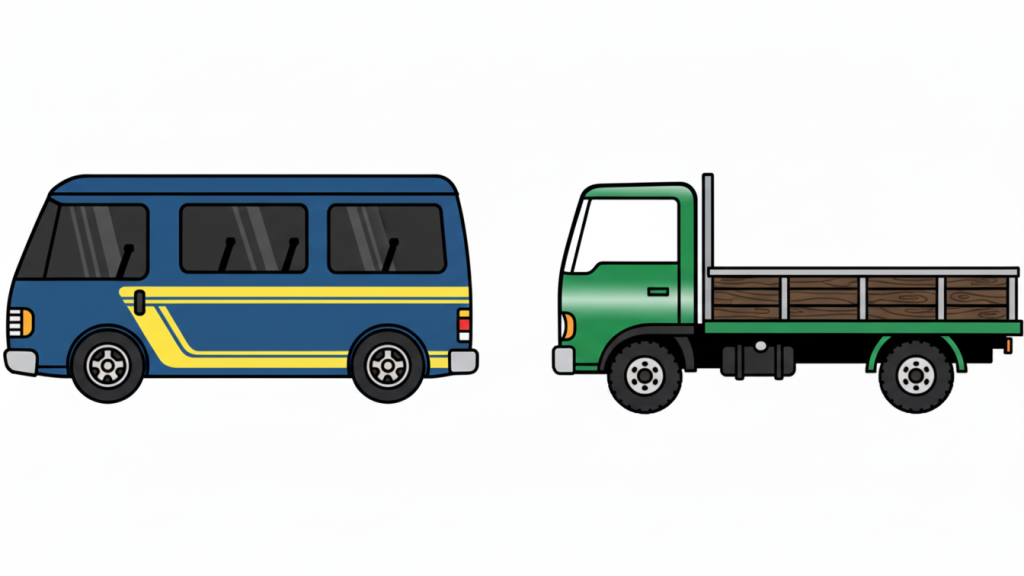
The LR Licence is the first step for people who want to drive trucks for a living. This licence lets you drive vehicles that are bigger than a regular car but still smaller than a truck.
If you have an LR licence, you can drive light-duty vehicles that have a Gross Vehicle Mass (GVM) between 4.5 and 8 tonnes. These include small delivery trucks, light-duty minibuses, and small buses that can hold up to 12 people, including the driver.
This licence is a good place for drivers to start if they want to get some practice before driving bigger, more complicated vehicles. The LR licence is a great first step if you want to work in community transport, school buses or smaller logistics jobs.
Vehicles You Can Drive:
- Light delivery trucks (small vans and trucks under 8 tonnes)
- Minibuses (up to 12 passengers, including the driver)
- Small community transport vehicles
Requirements and Eligibility:
You must have held a valid C class (car) licence for at least 12 months before you can apply.
Job Opportunities:
- School Bus Drivers: Great for people who want to drive kids to school in smaller buses.
- Community Transport Operators: Great for local government or non-profit groups that need drivers for community shuttles.
- Delivery Drivers: You can work for local businesses or courier companies that need light delivery trucks.
Training Duration:
The training usually lasts 1 to 2 days, depending on how much experience you have.
2. MR Licence (Medium Rigid Licence)
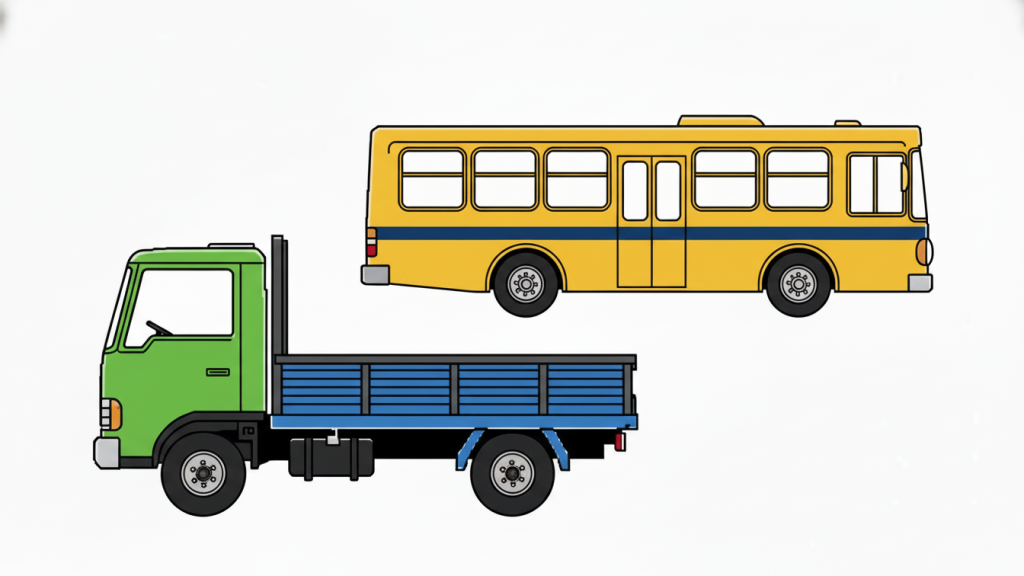
With an MR licence, you can drive vehicles that are bigger and heavier than those that can be driven with an LR licence. It lets you drive medium-duty trucks and buses that weigh more than 8,000 kg but have only two axles. This is the best license for people who want to drive bigger cars but aren’t quite ready for the weight of the HR or HC licenses. It also lets you pull trailers that weigh up to 9 tonnes.
The MR licence opens up job opportunities in industries like transportation, logistics, and even public transportation. People with an MR licence can drive bigger trucks for jobs like public transportation, courier services and moving companies.
Vehicles You Can Drive:
- Medium-duty trucks and buses with a GVM of more than 8,000 kg but only two axles.
- Trailers that weigh up to 9 tonnes, which gives you more options when you drive.
Requirements and Eligibility:
You must have had a valid C class (car) licence for at least 12 months.
Job Opportunities:
- Public Transport Drivers: Drive buses on city services, regional routes, or in cities.
- Furniture Removalists: Work for removalist companies and drive big trucks or moving vehicles.
- Courier and delivery drivers: They use bigger trucks to move medium-sized goods for businesses.
Training Duration:
Most learners take 2–3 days.
3. HR Licence (Heavy Rigid Licence)
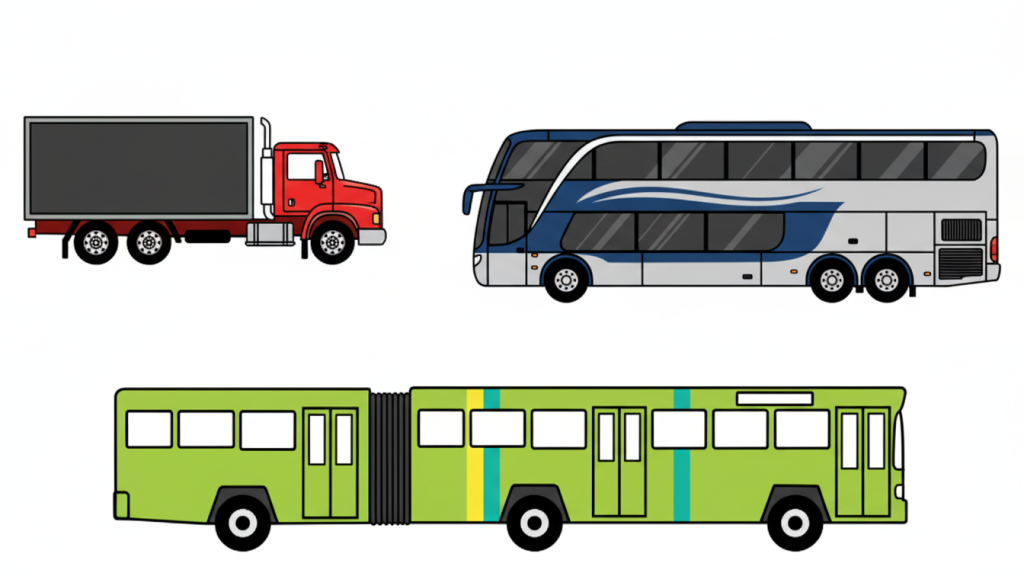
The HR Licence is one of the most popular truck licenses in Australia. If you have an HR licence, you can drive bigger and heavier vehicles, like trucks and buses with three or more axles. This includes vehicles like articulated buses, heavy goods trucks, and tipper trucks, which are often used in logistics, mining, and construction.
If you want to work in public transport, long-haul freight or mining, getting an HR licence is very important. You can also tow trailers that weigh up to 9 tonnes, which makes your job more flexible. People often think that the HR licence is the first step towards getting a higher-level licence, like the HC (Heavy Combination) or MC (Multi-Combination).
Vehicles You Can Drive:
- Heavy trucks and buses with three or more axles, such as articulated buses and rigid goods vehicles.
- Vehicles that can pull trailers that weigh up to 9 tonnes.
Requirements and Eligibility:
You must have had a valid C class (car) licence for at least two years before you can apply for the HR licence.
Job Opportunities:
- Bus drivers take people to and from places in their own area or across state lines.
- Mining and Construction Drivers: Drive big trucks on construction sites and in mines.
- Interstate Freight Operators: Drive big trucks full of freight all over the country.
Training Duration:
It takes about 3 to 5 days to get all the training you need.
4. HC Licence (Heavy Combination Licence)
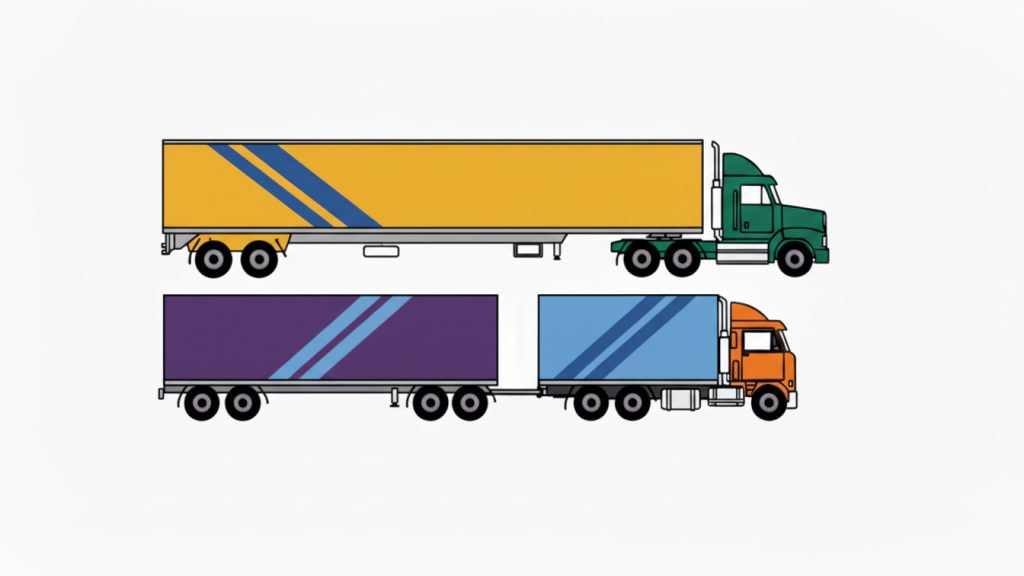
The HC License is great for drivers who want to drive bigger articulated vehicles, like prime movers that tow a single trailer. It lets you drive heavy combination vehicles, which are common in fields like construction logistics, long-haul freight, and fuel transportation.
If you have an HC license, you can drive big trucks that carry heavy things like construction materials, fuel, and refrigerated goods. These trucks include semi-trailers, rigid trucks towing trailers, and other large vehicles. You must have had an MR or HR licence for at least 12 months before you can apply for an HC licence.
Vehicles You Can Drive:
- Prime movers that tow a single trailer (articulated vehicles).
- Semi-trailers and rigid trucks pulling heavy trailers, like fuel tankers and refrigerated goods trucks.
- Trucks that move building materials for logistics.
Requirements and Eligibility:
You must have had an MR or HR licence for at least 12 months.
Job Opportunities:
- Long-haul goods drivers: Transporting goods across states or for specialised companies.
- Transporters of fuel, petrol, or chemicals are called fuel transporters.
- Construction logistics means moving big machines or building materials for construction companies.
Training Duration:
Usually, 5–6 days for hands-on training and tests.
5. MC Licence (Multi-Combination Licence)
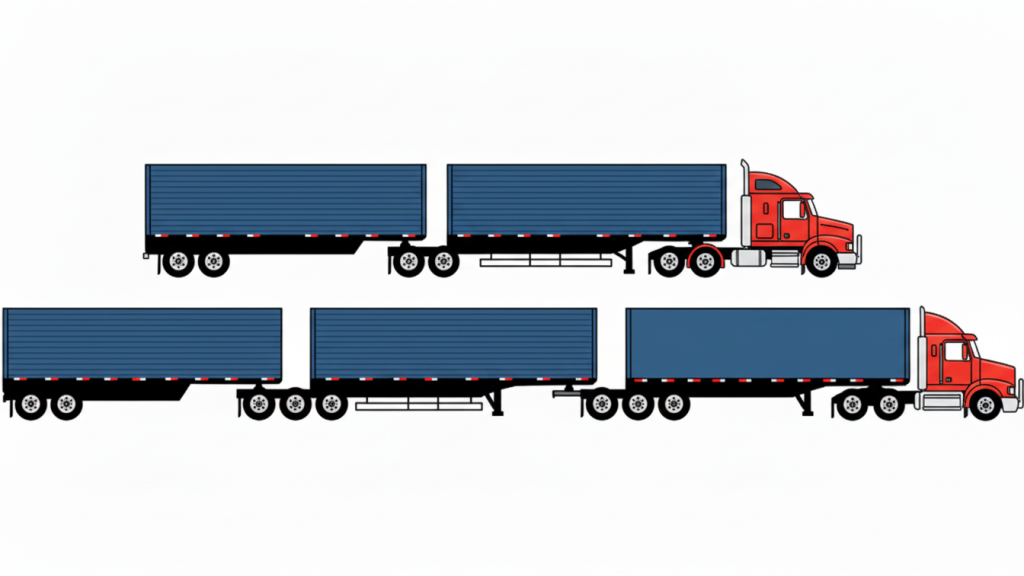
The MC Licence is the highest level of truck licence in Australia. It lets you drive the biggest and most complicated vehicles on the road. You can drive B-doubles, road trains and vehicles with more than one trailer with this licence. It’s a dream for drivers who want to drive the hardest rigs. The MC licence is a must-have if you want to work in long-distance freight transport, mining logistics or agricultural transport.
To get an MC licence, you must have had an HR or HC licence for at least a year. This is the highest level of truck driving qualification. It is necessary to drive the biggest trucks, which are often used to move huge loads over long distances.
Vehicles You Can Drive:
- B-doubles are used to move big loads over long distances.
- Road trains are usually used in remote areas to move goods over very long distances.
- Agricultural trucks that move large amounts of goods, like grain or animals.
Eligibility & Requirements:
You must have had an HR or HC licence for at least 12 months.
Job Opportunities:
- Interstate Freight Drivers: These drivers drive long distances, often across several states.
- Mining Logistics Drivers: Moving supplies and materials to and from mining sites.
- Agricultural Transport: Moving large amounts of farm goods, like animals or crops.
Training Duration:
You can expect to get 5 to 7 days of both hands-on and classroom training.
Comparing the Five Heavy Vehicle Licence Classes in Australia
| Licence Class | GVM | Axles | Trailers Allowed | Vehicle Examples |
| LR (Light Rigid) | 4.5 tonnes – 8 tonnes | 2 Axles | None | Small delivery trucks, minibuses (up to 12 passengers) |
| MR (Medium Rigid) | Over 8,000kg | 2 Axles | Can tow trailers up to 9 tonnes | Larger courier vehicles, furniture trucks, medium-sized buses |
| HR (Heavy Rigid) | Over 8,000kg | 3+ Axles | Can tow trailers up to 9 tonnes | Articulated buses, tipper trucks, heavy-duty freight trucks |
| HC (Heavy Combination) | Over 9,000kg + trailer | 3+ Axles | Single trailer (over 9 tonnes) | Prime movers, semi-trailers, rigid trucks towing trailers |
| MC (Multi Combination) | Over 9,000kg + trailer | 3+ Axles | More than one trailer (B-doubles, road trains) | B-doubles, road trains, multi-trailer vehicles |
How to Get Your Truck Licence in Australia – Step-by-Step
Ready to get your truck licence in Perth? Here’s a simple guide that will help you get through the process and get on the road:
- Make sure you are eligible: For example, to get an LR licence, you must have had a car licence for at least 12 months. Make sure you meet the basic requirements for the licence class you want. On the DoT WA website, you can find out what the age and other requirements are to be eligible.
- Pass the DoT Eye and Medical Tests: You will need to pass the Department of Transport’s (DoT) eye test and a medical check-up to make sure you are healthy enough to drive a big truck before you can start training.
- Book training with an RTO: Pick a registered training organisation (RTO), such as Mega Truck Training. Book your driving lessons and get ready with professional teachers.
- Finish Your Practical Lessons: Finish your driving lessons to learn how to safely operate a vehicle, including how to check it before you leave, how to be aware of hazards, and how to control the vehicle.
- DoT Assessment: After you’ve finished your lessons, set up your DoT driving test. To pass, you will need to show that you can drive safely and well.
- Get Your License: After you pass your test, you’ll get your official truck license and be ready to hit the road.
What Documents You Need to Bring for the Heavy Vehicle Driving Test
When you go to your practical driving test in Australia, you need to bring the following:
- Your current driver’s license (C class or a truck license from a previous job).
- Proof of identity, like a passport, birth certificate, or other official document.
- Personal Protective Equipment (PPE), including high-visibility clothing and sturdy footwear.
- Proof of passing the Heavy Vehicle Knowledge Test: This is to make sure you know the rules of the road, the rules for heavy vehicles, and the safety requirements.
- Completed DoT forms and any required documents (check with your RTO).
How to Choose the Right Truck Licence for Your Career in Perth
Picking the right truck licence is very important for starting your career. Here is a quick list to help you make up your mind:
- Job Goal: What kind of work do you want to do? Do you want to work in mining, make local deliveries, or move long distances?
- Type of Vehicle: Are you going to be driving big articulated trucks or small trucks?
- Industry Requirements: Some industries, like mining or linehaul freight, have their own rules.
- Earnings Potential: Higher-paying jobs may be available to people with more advanced licenses, like HC or MC.
Are you ready to drive a big truck on the roads in Australia?
Are you ready to steer a heavy vehicle on Australia’s roads?
Start Your Career with Mega Truck Training
Mega Truck Training to help you feel confident behind the wheel. With trainers who are certified by the Department of Transportation, new fleet vehicles, and one-on-one training, you’ll be ready for your test in no time.
Don’t put off taking the first step towards a rewarding career on the road. Join us today so we can help you get your truck licence.
Common Questions About Truck Licenses in Australia
1. Is it possible to drive an LR truck with an MR licence?
No, an MR licence lets you drive trucks and buses with a GVM of more than 8 tonnes, while an LR licence only lets you drive vehicles with a GVM of 4.5 to 8 tonnes. You can drive vehicles in the LR range if you have an MR licence, but not the other way around.
2. Do I need a medical to get a heavy vehicle licence in WA?
Yes, you have to pass a medical exam as part of the application process in Western Australia (WA) to get a heavy vehicle licence. This usually includes a vision test and a general health check to make sure you are healthy enough to drive heavy vehicles.
3. How much does an HC licence cost in Australia?
In Perth, the price of getting an HC (Heavy Combination) licence can be anywhere from $1,200 to $3,000. The price depends on the RTO, how long the training lasts, and any extra course materials.
4. Can I upgrade my truck licence?
Yes, you can get a better truck licence if you meet the experience and eligibility requirements for the next licence class. You can move from an MR licence to an HR licence and then from an HR licence to an HC or MC licence after you have had your current licence for the required amount of time.
5. How long do I have to wait to go from MR to HR?
To get an HR licence, you need to have had your MR licence for at least one years. You will learn how to drive bigger vehicles with three or more axles during this time before moving on to the heavier rigid vehicles in the HR class.